ThermaHive™ vs Existing Solutions

Problem: Narrow safety margin

The temperature needed to kill mites is only a few degrees below the temperature that harms bees, brood, or reproductive viability.

ThermaHive’s Approach + Precision control

ThermaHive™ uses sensor-driven automation and calibrated heating to maintain temperatures safely within the narrow “sweet spot.”
Graph illustrating narrow safety window and precise control

Problem: Adult bee mortality

Bees may tolerate moderate heat or airflow, but stressed adults often leave the hive to die elsewhere, masking true mortality.

ThermaHive’s Approach + Stress-reducing design

Even airflow reduces hot spots and colony stress, minimizing evacuation during treatment.

Problem: Incomplete mite kill followed by rebound

Short treatments may reach only 40–55% mortality; infestations rebound within 1–2 weeks.

ThermaHive’s Approach + In-hive, sustained suppression

ThermaHive™ treats brood and adults, reducing re-infestation and allowing repeatable cycles.

Problem: Mite escape

Bees bearding or exiting during heat can carry mites out and back in.

ThermaHive’s Approach + Contained system

Fan-driven circulation keeps bees inside so mites on adults are also exposed.

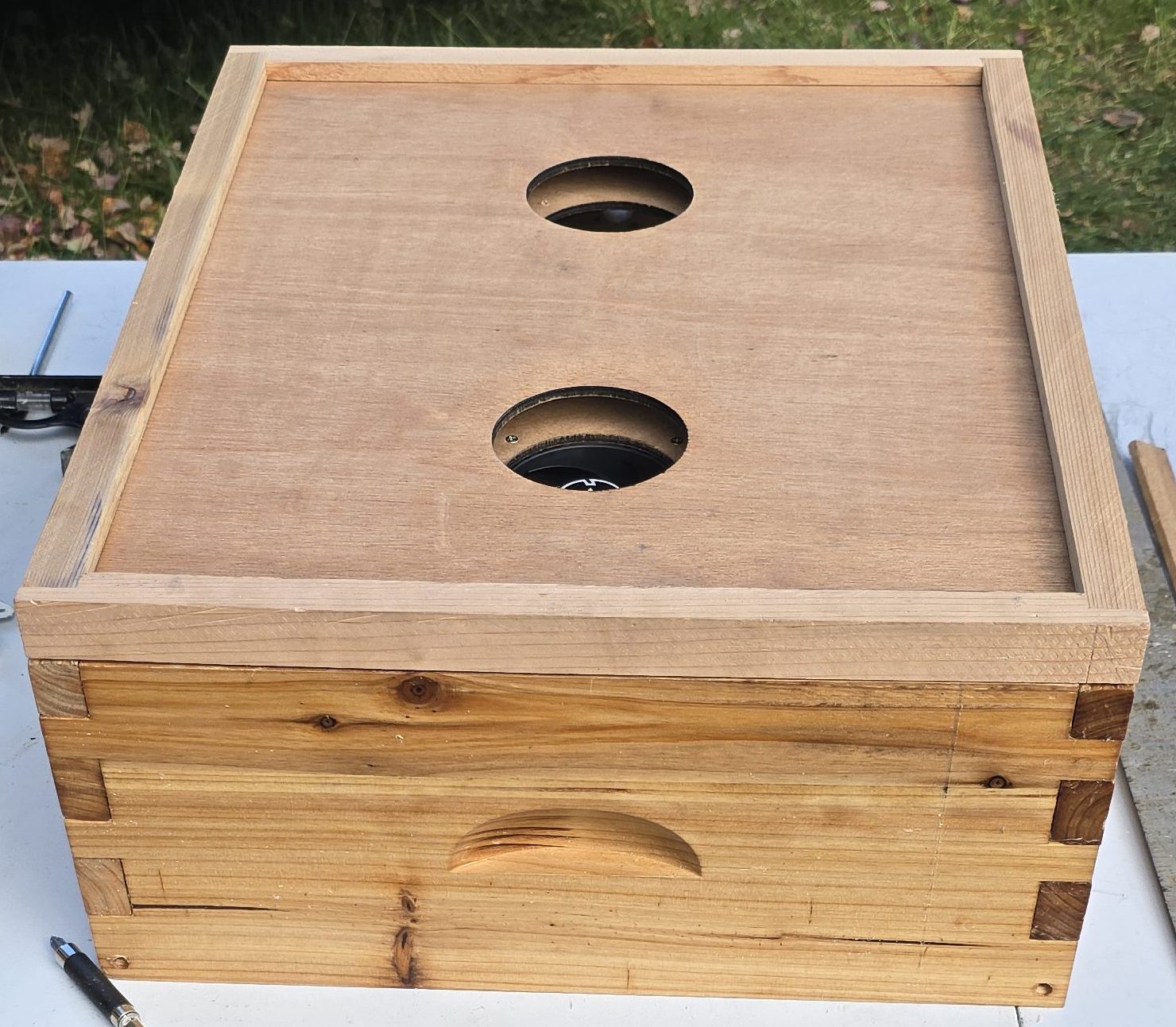
Bees contained at the entrance to prevent mite escape

Problem: Humidity complications

Too little humidity desiccates; too much reduces adult survival.

ThermaHive’s Approach + Balanced environment

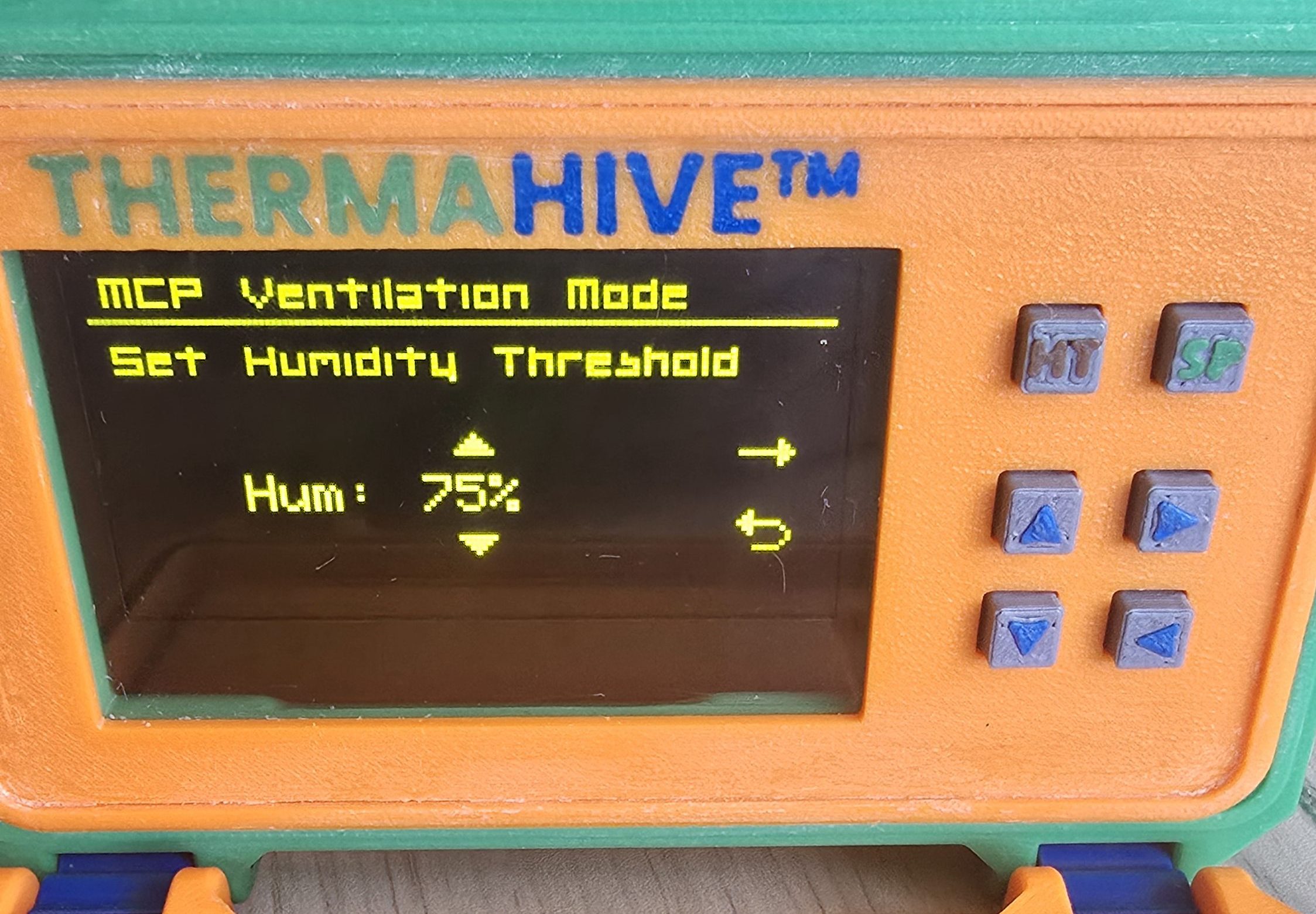
Real-time monitoring keeps humidity in survivable ranges.

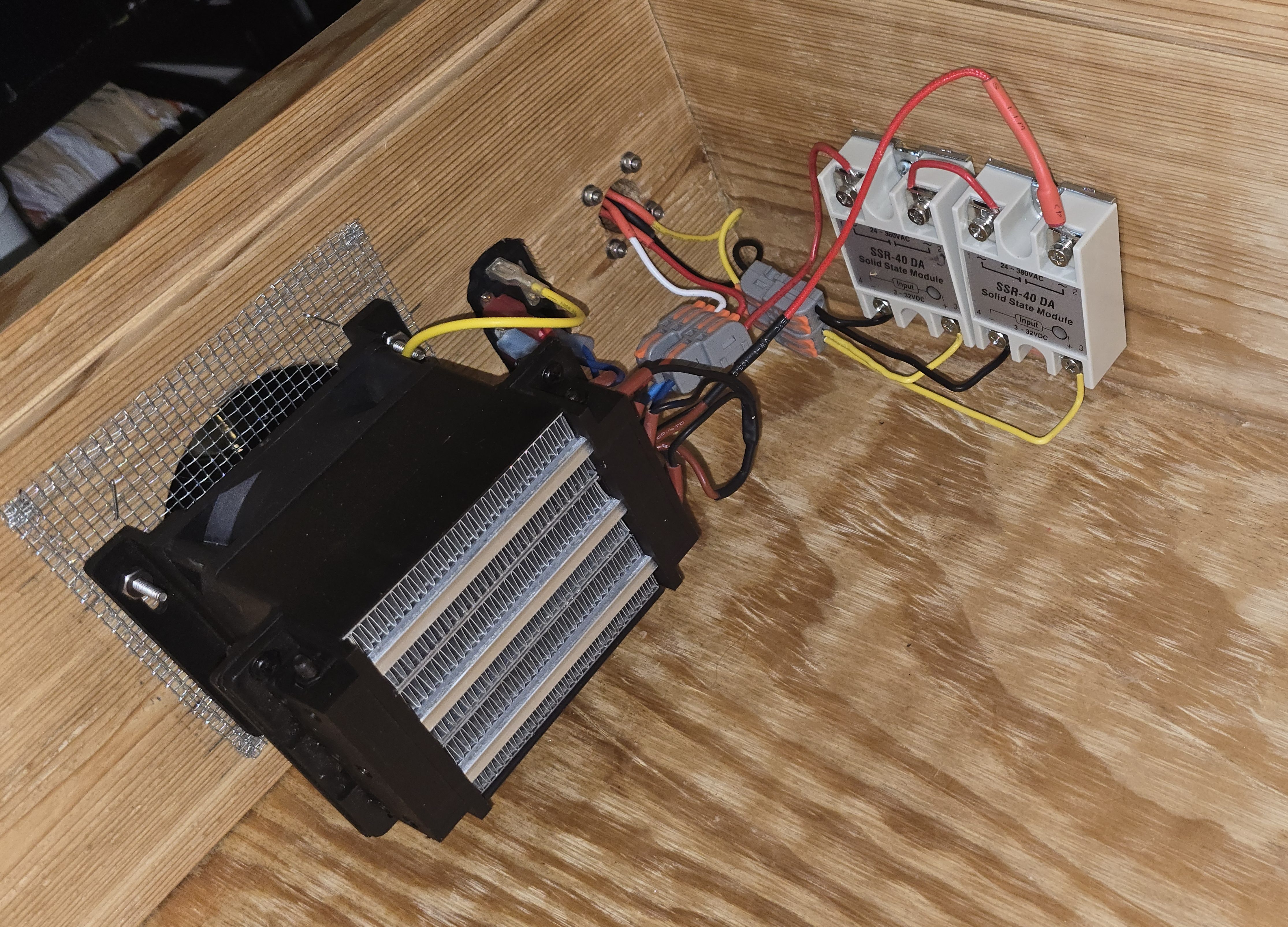
Humidity control hardware example

Problem: Overheating risk

Lack of control can create hot spots, have uneven airflow and harm brood.

ThermaHive’s Approach + Multi-sensor failsafe

Redundant probes and shutoffs help prevent hot spots. Our custom built diffuser plate helps ensure even airflow and heat distribution.

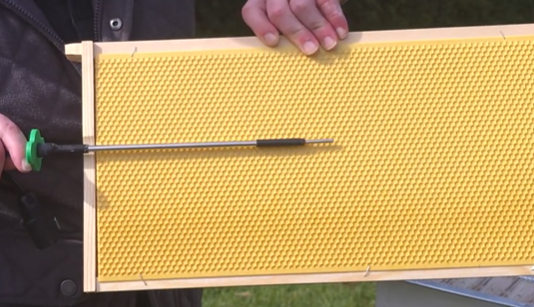
Sensor placement and diffuser detail
Overheat protection components

Problem: Long treatment durations & labor

Some methods require 4–8 hours or moving frames—stressful and impractical.

ThermaHive’s Approach + Efficient heating

Optimized airflow/power shortens cycles; in-hive use avoids frame removal.

Problem: Dependence on conditions

Solar-dependent devices are unreliable in poor weather.

ThermaHive’s Approach + All-weather capability

Powered heating works in any climate and season.